
10 Daily Mindfulness Practices for Stress Relief
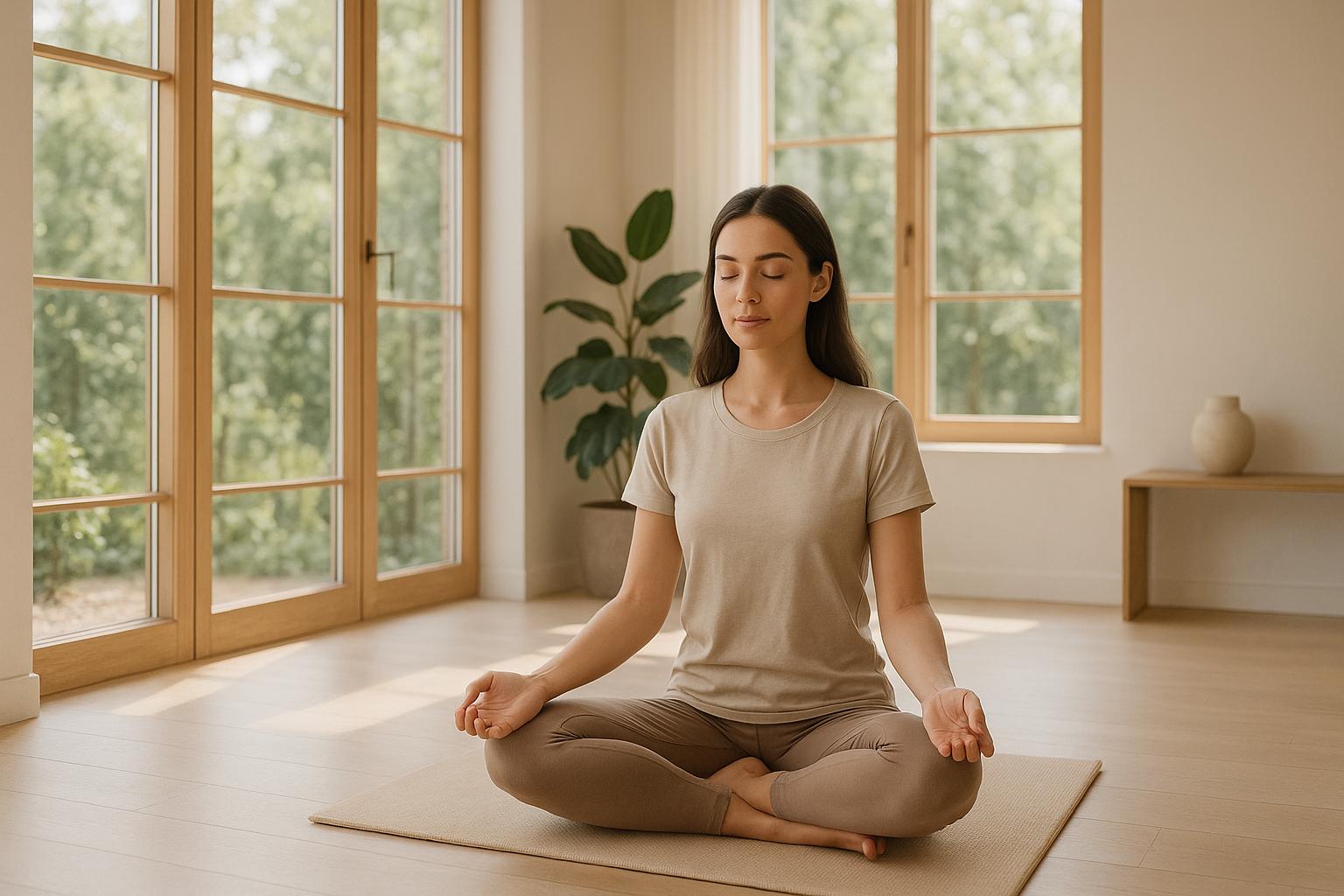
10 Daily Mindfulness Practices for Stress Relief
Mindfulness can help reduce stress and improve focus without requiring major lifestyle changes. Here are 10 simple practices you can integrate into your daily routine:
- Morning Breathing Exercise: Start your day with 2–5 minutes of slow, deep breathing to calm your mind and body.
- Body Scan During Morning Routine: Notice sensations in different parts of your body while brushing your teeth or getting dressed.
- Present-Moment Awareness in the Shower: Focus on the warmth of the water, the scent of soap, and your breathing.
- Mindful Commute or Transition Time: Use your commute to practice deep breathing or observe your surroundings.
- Walking Breaks with Focused Attention: Take 5–10 minutes to walk mindfully, paying attention to your steps and breath.
- Eating One Meal Without Distractions: Savor your food by eating without screens or multitasking.
- Single-Task Focus at Work: Dedicate your full attention to one task at a time to reduce overwhelm and improve productivity.
- Mindful Daily Planning: Spend 5–10 minutes organizing your day with intention, focusing on what matters most.
- Stretching Breaks with Body Awareness: Take short breaks to stretch and notice areas of tension in your body.
- Evening Gratitude and Reflection: End your day by reflecting on positive moments and setting intentions for tomorrow.
These practices are easy to implement and can be done in as little as 1–10 minutes. They help interrupt stress, improve focus, and bring more calm into your day. Start small by choosing 2–3 practices that fit your schedule, and build from there.
1. Morning Breathing Exercise
Start your day with a simple 2–5 minute breathing exercise. This quick practice can help shift your nervous system from "fight-or-flight" mode to a calmer "rest-and-digest" state. It lowers your heart rate and relaxes tense muscles, setting a peaceful tone for the day ahead. In fact, the U.S. Department of Veterans Affairs recommends seated breathing exercises as a key part of their morning stress-reduction strategies. Mornings are a great time to build new habits, and even a short daily session can improve focus and emotional balance.
Here’s an easy routine to try: while seated or lying in bed, place one hand on your chest and the other on your belly. Breathe in slowly through your nose for 3–4 seconds, focusing on your belly rising more than your chest - this is called diaphragmatic breathing. Pause for 1–2 seconds, then exhale through your mouth for 4–6 seconds, letting your body relax into the bed or chair. Repeat this cycle 8–12 times, keeping your attention on the sensation of the air moving in and out.
If your mind starts to wander, that’s okay - just gently bring your focus back to your breath. Redirecting your attention is part of the process and helps train your mind to stay present. This simple exercise can set a mindful tone that carries through your day.
Another technique to try is box breathing: inhale for 4 seconds, hold for 4 seconds, exhale for 4 seconds, and hold again for 4 seconds. Pay attention to the sensations - the cool air entering your nostrils, the warmth as you exhale, and the subtle rise and fall of your belly or chest. You can even pair each breath with an intention, such as thinking “I am calm and focused” as you inhale and “I let go of tension” as you exhale.
Research backs up the benefits of these practices. A systematic review found that practicing box breathing for just 2 minutes every couple of hours can significantly reduce anxiety. Large-scale studies on mindfulness also report reduced stress, anxiety, and depressive symptoms, with healthcare systems like the NHS and Mayo Clinic incorporating breathing exercises into their wellness resources.
Worried about squeezing this into a busy morning? Try "habit stacking" - pair your breathing practice with something you already do, like waiting for your coffee to brew, sitting in bed before standing up, or before checking your phone. If even a short session feels challenging, start with just 60–90 seconds and add 30 seconds each week.
For those who like using planning tools, apps like malife can make building this habit easier. With features like reminders and a "Today & Next" view to highlight calming activities, malife helps you fit breathing exercises into your routine. You can even set reminders by voice, like saying, “Add: 3-minute breathing when I wake up.” This makes planning stress-free while supporting your overall well-being. Combining mindful planning with breathing exercises can create a more balanced and manageable day.
2. Body Scan During Morning Routine
A body scan is a mindfulness exercise where you direct your attention to different parts of your body, simply observing sensations without trying to change them. Starting from your feet and moving upward, this practice can help you relax, ease muscle tension, and become more aware of stress. It’s not just anecdotal - research backs it up. A 2018 meta-analysis found that mindfulness practices like body scans can lead to moderate reductions in stress and anxiety.
The beauty of a body scan is its flexibility. You can weave it into your existing morning routine, like while brushing your teeth or getting dressed, making it easier to stick with. In fact, the U.S. Department of Veterans Affairs highlights body scans as one of five key morning practices to reduce stress, alongside breathing exercises, yoga, progressive muscle relaxation, and guided imagery.
Certain areas of the body - like the jaw, shoulders, neck, lower back, and stomach - tend to hold tension without us realizing it. During your scan, take a moment to gently unclench your jaw, roll your shoulders, lengthen your spine as you exhale, and soften your belly with deeper breaths. The goal isn’t to force relaxation but to simply notice these sensations, which often leads to a natural release of tension.
Here’s a quick 2–5 minute body scan you can try in the morning:
- Sit or stand comfortably and take a few deep breaths.
- Shift your attention slowly from your feet upward, releasing tension with each exhale.
- Focus on your legs, hips, back, chest, shoulders, arms, neck, and face, letting each area relax as you go.
Pairing this with intentional breathing can amplify the calming effect. As you notice tightness, inhale deeply and exhale slowly, imagining the tension flowing away with your breath. This simple practice can help you start the day feeling more grounded and less stressed.
Mindfulness experts, including those from Mindfulness-Based Stress Reduction programs, recommend practicing body scans daily or several times a week. Even just 5–10 minutes a day can lead to noticeable improvements in stress levels and emotional balance over time. If you’re short on time or find your mind wandering to your to-do list, start small with 1–2 minute scans. Use everyday actions, like brushing your teeth, as reminders to return to the practice. To keep it fresh, occasionally reverse the direction of your scan.
For those who like using tools to build habits, apps like malife can help you establish a consistent body scan routine. Set a gentle reminder labeled “2-minute body scan while brushing teeth” around your wake-up time. The app’s Today & Next view can keep it top of mind, and you can even jot down quick notes about how your body feels each day. Over time, you may notice benefits like fewer headaches, better focus, or feeling calmer in stressful situations.
That said, if you deal with chronic pain or discomfort, focusing on bodily sensations might feel overwhelming. In those cases, consider shortening the scan, skipping sensitive areas, or focusing more on your breathing and external sensations, like the contact of your feet on the floor. Always approach the practice gently, staying within your comfort zone. If the exercise feels distressing, consult a healthcare or mental health professional to adapt it to your needs.
3. Present-Moment Awareness in the Shower
Your morning shower is more than just a routine; it can be a moment to reset and unwind. By practicing present-moment awareness, you can transform this everyday activity into a stress-relieving ritual. This approach involves focusing on the sensations of the shower - like the warmth of the water or the pressure on your skin - without letting your mind wander to past events or future tasks. It’s easy for thoughts to drift to to-do lists or replay conversations, but a mindful shower keeps you grounded in the here and now.
The NHS in the UK encourages using daily routines like showering as opportunities for mindfulness, suggesting you "notice the sensations, sounds, and smells" to stay present. Similarly, the Mayo Clinic emphasizes that paying attention to your breathing, body, and surroundings helps calm the nervous system - perfect principles to incorporate into your shower time.
Focusing on these sensations can actually help reduce stress. Research shows that sensory-based mindfulness lowers activity in the brain's fear center, improving emotional regulation. A meta-analysis of 209 studies found that mindfulness-based therapy is effective in reducing anxiety, depression, and stress. By concentrating on neutral or pleasant sensations - like the soothing warmth of water or refreshing scents - you can interrupt stress cycles and activate your body’s relaxation response.
How to Practice Present-Moment Awareness in the Shower
- Start before stepping in: Stand still, feel the ground beneath your feet, and take a few slow, deep breaths.
- Notice the water’s temperature: As the water begins to flow, pay attention to its warmth or coolness on different parts of your body. Adjust it as needed, staying mindful of how it feels.
- Engage your senses: Focus on the pressure of the water on your shoulders, the droplets on your back, the texture of a washcloth, or the scent of your soap or shampoo. Shift your attention between these sensations to stay present.
- Refocus when distracted: If your mind starts to wander to your schedule or worries, gently bring your focus back to a specific sensation, like the feel of water on your hands or the smell of soap. The goal isn’t perfect focus - each time you return to the present, you’re strengthening your practice.
For an added layer of mindfulness, try syncing your breathing with the water’s rhythm. Inhale deeply as the warm water flows over you, feeling your chest expand, and exhale slowly, noticing your muscles relax.
How Long Should It Take?
Even just 3–5 minutes of mindful showering can help reset your stress levels. Short, consistent practices like this are often more effective than longer, infrequent sessions.
Common Challenges and Tips
It’s completely normal for your mind to drift. To stay anchored, focus on one specific sensation, like the water on your shoulders. If the routine starts to feel repetitive, shift your attention to another sense or scan your body for areas of tension and relaxation. There’s no need to change anything - just observe.
To make this a habit, tie your mindfulness practice to a specific cue, like turning on the water. If you use a planning tool, set a reminder titled something like “Mindful shower – notice water & breath” at your usual shower time. You can even use a journal to reflect on how you feel before and after, reinforcing this as a restorative act of self-care rather than another task.
For safety, consider using non-slip mats if necessary.
By shifting from autopilot to purposeful sensory awareness, a mindful shower can activate your body’s "rest and digest" mode, promoting relaxation and recovery. This small but meaningful change can help you start your day feeling more centered and calm.
Next, we’ll look at how a mindful commute can carry this awareness into the rest of your day.
4. Mindful Commute or Transition Time
Commutes and transitions often come with mental clutter, making them perfect opportunities to practice mindfulness. By focusing on your breath, body sensations, or surroundings, you can create a moment of calm that prepares you for whatever's next - whether you're driving to work, walking between meetings, or riding public transit.
Why Mindful Transitions Help Reduce Stress
Mindful transitions engage your body's "rest and digest" system, which can lower your heart rate and reduce stress hormones. Studies show that regular mindfulness practice helps calm the amygdala (the brain's stress center) and strengthens the prefrontal cortex, which is key for emotional balance and focus. Even short mindful pauses during transitions can prevent "attention residue", the lingering mental clutter from one task to the next, resulting in clearer thinking and less stress.
Mindfulness-Based Stress Reduction (MBSR) programs emphasize brief, frequent practices like the 3-minute breathing space to manage stress during transitions. Research suggests that even 1–3 minutes of mindful breathing or sensory awareness during a commute can ease acute stress and sharpen focus.
Easy Ways to Practice Mindfulness During Commutes or Transitions
You don’t need to overhaul your routine - just tweak how you experience it. Here are some simple techniques to try:
- Mindful Breathing (1–3 minutes): Pay attention to your natural breath. Inhale through your nose, feel your belly rise, then exhale and feel it fall. You can count each breath (1 on the inhale, 2 on the exhale, up to 10) or simply observe without counting.
- Sensory Awareness (5 senses check-in): Notice one thing for each sense. What do you see - buildings, trees, or colors? What do you hear - traffic, footsteps, or birds? What do you feel - the steering wheel, your bag strap, or a breeze? What do you smell - coffee, rain, or fresh air? What do you taste - maybe a lingering flavor from a snack? This practice keeps you grounded in the present.
- STOP Technique: Follow these steps:
- Stop what you’re doing.
- Take a slow, deep breath.
- Observe your thoughts, feelings, and body without judgment.
- Proceed with intention, focusing on what comes next.
- Gratitude Pause: Think of 1–3 things you’re grateful for in the moment - like a warm coat on a chilly day or a quiet moment to yourself. Gratitude can help shift your mindset from stress to appreciation.
- Loving-Kindness for Commuters: Silently repeat phrases like "May I be calm" or "May everyone on this journey feel at ease." This practice encourages compassion and reduces irritation during hectic commutes.
Examples of Mindfulness in Action
Mindfulness-based programs report that short mindful breathing exercises during transitions can significantly lower stress. Some corporate programs have even seen improved focus and reduced stress levels after just eight weeks.
Applying Mindfulness in Different Scenarios
Here’s how you can incorporate mindfulness into common transition moments:
- Driving to Work (15-minute commute): Before starting the car, take three deep breaths. As you drive, notice your hands on the wheel, your feet on the pedals, and your breathing rhythm. If traffic gets stressful, silently remind yourself, "I’m safe. I’m doing my best".
- Walking Between Meetings (5-minute transition): Pause at the door after leaving a meeting and take three slow breaths. Walk mindfully by paying attention to each step and observing your surroundings. Before entering the next meeting, set a simple intention, like "I’ll listen fully".
- Subway or Bus Commute (20-minute ride): Set your phone aside or use it for a calming guided meditation. Practice sensory awareness by focusing on the sounds, the feel of the seat, and the sights around you. A brief gratitude moment can also help ground you.
Overcoming Common Challenges
It’s normal for your mind to wander to thoughts about work, family, or upcoming tasks. When this happens, gently bring your attention back to your breath or senses. Treat each transition as a chance to reset - even 60 seconds of mindful breathing can positively impact your mood and focus. If your phone is a distraction, switch it to Do Not Disturb mode and commit to practicing mindfulness during at least one transition each day. On noisy or crowded public transit, try sensory grounding or silently repeat affirmations to regain focus.
Building a Mindful Routine in Your First Week
To make mindfulness a habit, start small by choosing one or two moments during your day - like leaving home for work or transitioning between tasks. Here’s a simple plan:
- Days 1–2: Before starting your commute or first transition, take three deep breaths and notice how your body feels.
- Days 3–4: During your transition, observe three things you see, two things you hear, and one thing you feel.
- Days 5–7: Add a gratitude or kind intention, like "May I stay calm today" or "I’m thankful for this moment."
At the end of the week, reflect on how these practices influenced your day. You might even decide to expand or spend more time on mindfulness.
Using malife to Support Mindful Transitions

If you use a planner or task app, you can turn transitions into intentional moments. With malife, set reminders (like +10 minutes or +1 hour) to prepare for upcoming transitions and use the Journal feature to reflect on your mindfulness practice. This approach helps reinforce mindfulness as a restorative habit rather than another task to check off.
By shifting out of autopilot and into purposeful awareness, mindful commutes and transitions can help you manage stress as it arises and set a positive tone for the next part of your day.
Next, we’ll explore how focused walking breaks can extend mindfulness into physical movement.
5. Walking Breaks with Focused Attention
Taking short walking breaks is a simple yet effective way to break free from stress without disrupting your daily flow. By focusing on sensations like your feet touching the ground, the rhythm of your breath, or surrounding sounds, a quick 5-minute walk can help reset your nervous system and sharpen your focus.
Why Walking Breaks Help Relieve Stress
Mindful walking combines gentle movement with being fully present in the moment. The physical activity helps calm your nervous system, while focusing your attention keeps your mind from spiraling into stress or worry. Regular mindful walking has been shown to lower stress, improve mood, enhance focus, and strengthen the connection between your mind and body. Unlike high-intensity workouts, mindful walking is low-effort and easy to incorporate into daily life. It activates your body’s natural relaxation response, countering the fight-or-flight mode triggered by stress.
The science backs this up. A 2019 study in Health Psychology found that just 10 minutes of walking in nature significantly reduced cortisol levels and improved mood. Similarly, a 2021 meta-analysis in the Journal of Affective Disorders reported that mindfulness-based walking interventions reduced symptoms of anxiety and depression as effectively as other mindfulness techniques.
How to Practice Mindful Walking
Pick a quiet, peaceful path where you won’t be disturbed. Start by taking three deep breaths, then walk slowly, paying close attention to how your feet connect with the ground - notice how your heel touches down, your weight shifts to the ball of your foot, and your toes push off. Tune in to the sensations of pressure and movement. Match your breathing to your steps, and take in your surroundings without judgment. If your mind starts to wander, gently bring your focus back to the physical sensations of your walk.
Real-World Results
The benefits of mindful walking are evident in real-life examples. In 2022, Google encouraged employees to take 10-minute mindful walking breaks between meetings. Over eight weeks, participants reported a 25% drop in stress and a 30% improvement in focus, according to internal surveys. Similarly, a 2020 pilot study at the University of California, Santa Barbara, had stressed students take 10-minute mindful walks in a campus garden three times a week. After six weeks, the students experienced a 22% reduction in perceived stress and a 15% boost in attention and working memory.
Timing Your Walking Breaks
When you take your walking breaks can influence their impact. A morning walk can help you start the day with a sense of calm and purpose. Midday walks - especially after lunch or during an afternoon slump - can reset your stress levels and improve focus. Evening walks, meanwhile, can help you transition from work mode to personal time and prepare your mind for rest. Research on Mindfulness-Based Stress Reduction (MBSR) shows that regular mindful walking can reduce perceived stress by 20–30% over eight weeks. Spreading these breaks throughout your day creates multiple opportunities to reset and maintain a sense of calm.
Adapting to Different Environments
You don’t need a scenic trail to enjoy the benefits of mindful walking. Indoors, you can walk slowly in a hallway or around your office, focusing on the sensations of each step. If you work from home, a stroll around your neighborhood can help create a boundary between work and personal time. In an office setting, a brief walk around the building can provide movement and a refreshing change of scenery. When possible, walking in nature - like a park or trail - offers additional stress relief by engaging your senses and giving you a break from screens and urban noise.
Combining Walking with Mindfulness Techniques
You can elevate your walking breaks by adding other mindfulness practices. For instance, pair your walk with affirmations or deep breathing. Silently repeat a calming phrase like "I am at ease" as you exhale. Or, practice body awareness by mentally scanning how different parts of your body feel as you move, similar to a body scan meditation.
Building Walking Breaks into Your Day
Treat mindful walking like any other important appointment. Set reminders for specific times - such as 10:30 AM, 2:00 PM, and 4:30 PM - to make it a consistent habit. Use apps or alarms to schedule these breaks and frame them as moments of self-care or focus-boosting activities. By dedicating just 5–10 minutes to walking breaks, you prioritize stress relief and mental clarity alongside your other responsibilities.
Starting Your Practice
Begin with a simple routine. Before starting your walk, set an intention like "I’m walking to reset and be present" or "I’m walking to connect with my breath." Focus on an anchor, such as your breath or the sensation of your feet, and return to it whenever your mind drifts. Use these breaks as transitions to mentally "close" one task and "open" the next - whether it’s after a meeting, before lunch, or at the end of your workday. This clears mental clutter and helps you approach each task with greater clarity.
6. Eating One Meal Without Distractions
Let’s shift the focus of mindfulness to something we all do daily - eating. Taking just one meal or snack each day to eat without screens, emails, or multitasking can be a surprisingly effective way to reset. By slowing down and paying attention to your food, you create a natural pause in your day, allowing your body to relax and your mind to re-center.
Why Eating Without Distractions Helps Reduce Stress
Many of us eat without thinking, scrolling through social media or catching up on work while barely noticing what’s on our plate. This kind of distracted eating can keep your nervous system on edge, preventing it from switching into the calmer "rest-and-digest" mode. When you focus on your meal - its flavors, textures, and aromas - you help your body shift away from stress and into a state of calm.
Mindful eating also interrupts negative thought patterns and helps you stay present. Studies have linked this practice to reduced binge eating, better control over food choices, and even improved body image.
The Science of Mindful Eating
Mindful eating is a cornerstone of many mindfulness-based stress reduction programs because it’s something we all do regularly, making it a perfect opportunity to practice awareness. Research shows that incorporating mindfulness into daily activities, like eating, can lower stress and anxiety while improving emotional balance. Even brief practices, like eating one snack mindfully, can fit seamlessly into a busy schedule. The NHS encourages such simple mindfulness moments, highlighting how they can transform routine tasks into grounding experiences.
How to Start Eating Mindfully
Choose one meal or snack - maybe lunch at work or a quiet evening snack at home - and make it a distraction-free zone. Start by pausing and taking a few deep breaths. Notice the colors, shapes, and aromas of your food before you take your first bite.
As you eat, engage all your senses. Smell the food, feel its texture, and savor its flavors as you chew. Even the sound of your food can add to the experience. Eat slowly, putting your utensils down between bites if needed. If you catch yourself reaching for your phone or rushing, gently bring your focus back to the meal. Halfway through, check in with yourself: "Am I still hungry? How satisfied do I feel?" Let your body guide you instead of feeling pressured to finish everything on your plate.
Comparing Distracted and Mindful Eating
| Aspect | Distracted Eating | Mindful Eating |
|---|---|---|
| Attention | Divided between food and devices | Fully focused on the meal |
| Eating Speed | Fast and rushed | Slow and deliberate |
| Awareness of Fullness | Often ignored, leading to overeating | Heightened, making it easier to stop when satisfied |
| Stress Levels | Remain high with no mental break | Reduced, offering a moment of calm |
| Enjoyment | Minimal or unnoticed | Enhanced appreciation of flavors and textures |
Overcoming Common Challenges
Starting this practice might feel awkward at first, especially if you’re used to eating with your phone or TV. To make it easier, try creating a "no-phone zone" during meals - leave your device in another room or put it out of sight.
If your mind starts racing with thoughts about work or errands, simply notice these distractions and gently refocus on the food in front of you. For those who find it hard to slow down in a fast-paced environment, schedule a specific time for your mindful meal. Remember, it’s about consistency, not perfection - starting with one mindful meal a day is a great first step.
Building Structure for a New Habit
Adding mindful eating to your routine can be easier with a little planning. For instance, if you use a life planner, block out 15–20 minutes for a distraction-free meal. Set a recurring reminder, like "Mindful lunch: no phone, slow eating", to help make this a daily habit.
After eating, take a moment to reflect. Did you feel fuller sooner? Did the food taste better? Jotting down these observations in a journal can reinforce the habit and highlight its benefits over time. This approach works well when eating alone and can be adjusted for group settings too.
Mindful Eating in Social Situations
Mindful eating doesn’t have to be a solo activity. When eating with others, you can still practice by focusing on your first few bites before diving into the conversation. Or, simply eat at a slower pace while staying aware of the sensory details of your food. This way, you enjoy the company while still reaping some of the stress-relief benefits.
Starting Small and Staying Consistent
Mindfulness is all about being present without judgment. A simple exercise, like focusing on the look, feel, and taste of a single raisin, can help you break out of autopilot eating. Just like any mindfulness habit, the key is to start small and stay consistent.
7. Single-Task Focus at Work
Many of us like to think we’re great at multitasking. The truth? Our brains aren’t built to juggle multiple complex tasks at once. What we often call multitasking is actually just rapid task-switching, and it comes with a hefty price. Studies show that task-switching can drain up to 40% of your productivity. On top of that, office workers are interrupted or switch tasks every 3–10 minutes on average. And after a major interruption, it can take as long as 23 minutes to fully get back into the groove of the original task.
Single-task focus - often referred to as "monotasking" - is all about dedicating your full attention to one task at a time. Think of it as a kind of mindfulness for the workplace: being fully present in what you’re doing and gently steering your mind back when it starts to wander. This approach not only improves the quality of your work but also reduces stress by eliminating the mental strain of constantly switching gears.
Why Single-Tasking Reduces Stress and Improves Performance
When you focus on one task, you allow yourself to dive deeper into the work, leading to better results. It also helps you feel more in control, cutting through the chaos that multitasking often creates. Mindfulness-based practices at work, including single-tasking, have been linked to better emotional balance, less burnout, and greater job satisfaction. By staying present with one task, you’re not just working smarter - you’re also protecting your mental well-being.
How to Build Single-Task Focus Into Your Day
Start with a clear, specific task. Instead of a vague goal like “work on the report,” try something more defined: “draft the first two sections of the quarterly report.” This clarity helps you stay on track and know exactly when you’ve completed the task.
Before diving in, eliminate distractions. Silence your phone, close unrelated browser tabs, and turn off notifications that aren’t essential. Take a few slow, deep breaths to center yourself, and set an intention to focus for a set period - maybe 25 minutes to start, or 45 minutes if you’re ready for a longer stretch.
As you work, notice when your mind starts to wander - whether it’s to emails, other tasks, or random thoughts - and gently bring your attention back to the task at hand. Pay attention to your body too. Are your shoulders tense? Is your jaw clenched? Taking a moment to release physical tension can help you stay focused and calm.
When your focus block ends, pause for a brief check-in. Take a couple of breaths, notice how you’re feeling, and decide whether to continue or move on to the next task. This small pause keeps you from slipping into “reactive mode” and helps you stay grounded.
Tips to Protect Your Focus
Digital distractions are often the biggest hurdles to single-tasking. Use "Do Not Disturb" settings on your devices during focus sessions, and resist the urge to check emails or messages immediately. Instead, batch those activities into specific times - like mid-morning or mid-afternoon. Working in full-screen mode can also help by minimizing visual distractions.
Keep a small notebook or digital tool handy. If a random thought or task pops into your head, jot it down quickly so you can revisit it later without breaking your flow.
Schedule 2–4 focus blocks into your calendar, treating them as non-negotiable appointments with yourself. Align these blocks with your natural energy peaks - often mid-morning or early afternoon - and save less demanding tasks for times when your energy dips. During breaks, try quick mindfulness exercises like stretching, walking, or deep breathing to reset your focus and avoid burnout.
Adapting Single-Tasking to Different Roles
Single-tasking might look different depending on your job, but the core idea is the same: give your full attention to one thing at a time. If you’re in a knowledge-based role, for example, you might dedicate a 45-minute block to analyzing data or writing, only checking emails before and after. In a service role, it could mean focusing entirely on one customer or patient - listening carefully, maintaining eye contact, and completing documentation before moving on. For creative work, it might involve 30 minutes of uninterrupted brainstorming or designing, holding off on editing or responding to messages until the session ends. This sustained attention not only improves results but also helps you find flow and avoid frustration from constant interruptions.
Tools That Support Single-Tasking
The app malife is designed to make single-tasking easier with its Life Areas structure and Today & Next view. Its kanban-style layout helps you focus by keeping your current task front and center while parking other tasks out of sight. The impact/effort priority feature ensures you’re working on the most meaningful task without second-guessing.
When it’s time to focus, malife’s built-in focus timer keeps you on track. You can also view your notes within the app, so you don’t have to switch between tools or hunt for information - common sources of distraction. If a new idea or task pops into your head mid-session, malife’s voice capture feature lets you quickly record it without losing your flow. Persistent reminders make sure you’ll revisit it later, easing the mental load of trying to remember everything.
After each focus session, the app lets you reflect on how calm and smooth your work felt, helping you build the habit and see your progress over time.
Tracking the Benefits of Single-Tasking
You don’t need fancy tools to see the impact of single-tasking. Track simple things like how many focus blocks you complete in a day or rate your stress level before and after each block on a scale from 1 to 10. Notice how often you feel rushed or scattered compared to days when multitasking dominates.
Studies on mindfulness and focus show clear benefits, including better emotional control, reduced stress, and sharper cognitive performance. For example, mindfulness meditation - where you focus on one thing like your breath - has been shown to reduce activity in the brain’s fear center, the amygdala, leading to a calmer response to stress. Brief reflections at the end of the day or a quick journal note about how single-tasking felt can help reinforce the habit and keep you motivated.
Starting Small in High-Stress Jobs
If your job feels too hectic for single-tasking, you’re not alone. Experts agree that while some roles require constant responsiveness, much of the stress comes from unnecessary multitasking rather than actual emergencies. Programs like Mindfulness-Based Stress Reduction (MBSR) show that even short, regular practices of focused attention can lower stress and improve focus. These principles can be applied in small doses throughout a busy day.
Begin with short focus blocks - just 10–15 minutes - and gradually extend them as you get more comfortable. Even brief moments of single-tasking can make a noticeable difference without requiring hours of uninterrupted time. The key is consistency. Each time you fully focus on one task, you’re training your mind to stay present and less reactive, which helps reduce stress and improve productivity over time.
8. Mindful Daily Planning with malife
Planning your day can be more than just checking off tasks - it can be a moment of mindfulness. Just as deep breathing or a mindful walk can shift your mood, mindful planning can reshape how you approach your responsibilities. Instead of rushing through a to-do list on autopilot, take a moment to be present. Notice your thoughts, emotions, and priorities as you organize your day, and make intentional choices.
malife is designed to guide you in this process. Using a kanban-style flow - Today, Next, and Later - it helps you focus on what truly matters right now without overwhelming you with an endless backlog. This structure mirrors mindfulness practices by keeping your mental space clear, separating immediate priorities from tasks that can wait, and reducing feelings of overload.
Turning Planning Into a Mindful Ritual
Start your day with a short ritual to ground yourself. Take 5–10 minutes to breathe deeply, check in with your mood and energy, and set your priorities. Are you feeling energized? Overwhelmed? Calm? This quick self-assessment helps you plan with clarity and intention.
Open malife and focus on your Today view. Ask yourself, "What truly matters for my well-being and priorities today?" Choose one to three meaningful tasks to complete, leaving less urgent items in Next or Later. Letting go of non-urgent tasks can ease your mind and help you feel more in control.
End your planning session by setting a simple intention for the day. For example, "I'll approach my top task with focus", or "I'll take breaks when I need them." This small act of setting an intention aligns your day with mindfulness, helping you move forward with purpose and calm.
Reviewing Life Areas for Balance and Clarity
malife’s Life Areas feature encourages you to step back and look at the bigger picture. Once a day - or a few times a week - review key areas like Work, Health, Relationships, Finances, and Personal Growth. Ask yourself, "Is this area balanced, or does it need attention?"
Instead of judging yourself for any imbalances, simply observe them. For example, you might notice that your Work tasks are piling up while your Health or Relationships are being neglected. Use this awareness as a guide - not as a measure of success or failure. This kind of reflection mirrors mindfulness techniques that help reduce stress and encourage emotional balance.
If you notice an imbalance, take a small, actionable step to address it. For instance, if Health feels neglected, add a short walk to your Today list. If Relationships need attention, send a quick text or schedule a coffee date. These small adjustments can help you maintain balance without feeling overwhelmed.
Using Today & Next to Stay Present
The Today & Next structure in malife helps you stay grounded throughout the day. Begin your morning by reviewing your Today list and asking, "What’s the most important task for this morning?" Commit to that task with your full attention, applying the mindfulness principle of focusing on one thing at a time.
Use Next to store tasks and ideas that don’t require immediate action. If a new task or idea pops up during the day, use malife’s voice feature to quickly capture it, keeping your focus on what’s already on your plate.
Midday, take a moment to review your Next list. If needed, move one or two realistic tasks into Today. This brief pause gives you a chance to make intentional decisions and avoid reacting impulsively.
Prioritizing by Impact and Effort
malife’s Impact/Effort feature helps you focus on tasks that matter most. Before diving into a task, ask yourself, "Does this contribute to my long-term priorities or well-being? How much effort will it take?"
Choose a few tasks that offer high impact with reasonable effort, rather than tackling a long list of low-impact items. This approach reduces stress and ensures your energy is spent on what truly matters.
Mindful Journaling for Reflection and Self-Awareness
Journaling is a simple way to build self-awareness and manage stress. malife’s Journal feature makes this habit easy to maintain. At the end of your day, spend 2–5 minutes answering prompts like:
- "What am I feeling right now?"
- "What stressed me today, and how did I respond?"
- "What went well or felt meaningful?"
Keeping entries brief ensures journaling doesn’t feel like a chore. Review your notes weekly to spot patterns - like which tasks or areas of life tend to cause stress - and adjust your planning accordingly.
Embedding Mindfulness Into Your Daily Flow
malife offers tools to weave mindfulness into your routine. Use recurring reminders and focus timers to create short, intentional pauses. For example, set a daily reminder for "3 mindful breaths before planning" or "1-minute breathing before starting work." These small moments can reduce stress and help you stay centered.
When transitioning tasks, take a moment to pause and reflect. For instance, when moving a task from Next to Today, take a deep breath and think, "This is what I’m choosing to focus on now." Pair malife’s focus timer with an intention, like "For the next 25 minutes, I’ll fully engage with this task." These practices help mindfulness feel natural, not like just another item on your to-do list.
A Practical Example for a U.S. Weekday
Picture a typical morning for a U.S. office worker. At 7:30 a.m., before checking emails or diving into work, you pause for three deep breaths and open malife. You review your Today list and choose three tasks: "Prepare Q4 budget draft" for 9:00 a.m., "Take a 30-minute walk after lunch" at 12:30 p.m., and "Review team feedback" at 3:00 p.m.
Later, during a mid-morning break, a colleague shares a new project idea. Instead of getting distracted, you use malife’s voice capture to add "Research new project scope" to Next, keeping your focus on the current task.
At the end of the day, you review your Life Areas and notice that Finances and Relationships need attention. You move "Pay $75 utility bill" into your Today list and add a reminder to call a loved one. These mindful adjustments ensure important areas of your life aren’t overlooked, helping you stay balanced and in control.
9. Stretching Breaks with Body Awareness
Sitting for hours or repeating the same movements can leave your muscles and joints stiff. You might find your shoulders creeping up, your lower back tightening, or your neck starting to ache. These are your body’s signals that stress is building up. Taking short stretching breaks with a focus on body awareness is a simple way to break this cycle, ease the tension, and bring your attention back to the present.
Mindful stretching is about moving slowly and paying attention to areas of tightness, warmth, or relaxation in your body. This turns a quick physical break into a chance to reset your mind and calm your body.
Why Stretching with Awareness Helps Reduce Stress
Slow, deliberate stretching engages your parasympathetic nervous system, which can lower your heart rate and help release tension. By focusing on the sensations in your body during each movement, you give your mind a much-needed pause from constant thoughts. For instance, the U.S. Department of Veterans Affairs recommends gentle stretching or yoga as part of mindfulness routines that help reduce stress.
How Often and How Long Should You Stretch?
Experts in workplace wellness suggest taking a 1–5 minute stretch break every 45–60 minutes. Even a single minute of stretching can refocus your mind and ease tension. The key is consistency - taking regular, brief breaks before discomfort sets in.
Simple Stretches to Try
Choose stretches that are easy to do and focus on how your body feels. Move slowly, stay within a comfortable range, and avoid any sharp pain. Here are a few stretches to get started:
- Neck stretches: Gently tilt your head toward one shoulder and hold for a few breaths, then switch sides. Notice the sensations on each side.
- Shoulder rolls: Roll your shoulders up, back, and down several times. Pay attention to any warmth or release in your shoulder joints.
- Chest opener: Clasp your hands behind your back and lift your chest slightly. Feel the stretch across your shoulders and observe how it affects your breathing.
- Seated spinal twist: While sitting, twist gently to one side, keeping your spine long. Notice the stretch along your back and how each side feels.
- Standing hamstring or calf stretch: Step one foot forward and hinge at your hips to stretch the back of your leg. Compare the sensations in your stretched leg with your supporting leg.
The goal isn’t perfect form but being present in the movement. Like mindful breathing or walking, these stretches bring physical awareness into your day, helping to ease stress.
Making Stretching a Mindful Practice
To turn stretching into a mindfulness exercise, slow down your movements. Pay attention to contact points, such as your feet on the ground or your hands clasped together, and notice sensations like tightness or warmth. Observe how these sensations change as you stretch. Use your breath as a guide - inhale to lengthen, exhale to release. If your thoughts drift, gently bring your focus back to the sensations in your body.
Fitting Stretching into Your Day
Incorporate stretches into natural breaks in your routine. Stretch after sending an email, before a meeting, or while waiting for your coffee to brew. These small moments make stretching feel like a natural part of your day rather than an extra task.
If you’re in a shared workspace and feel self-conscious, try subtle seated stretches like neck rolls, shoulder shrugs, or ankle circles at your desk. You can also set reminders to take stretch breaks. Tools like malife allow you to schedule recurring tasks under a “Well-being” category, making it easier to build stretching into your daily flow. You can even use malife’s focus timer for dedicated stretching sessions and jot down your observations in its Journal feature to track how stretching impacts your body over time.
Signs That Stretching Is Making a Difference
As you make mindful stretching a habit, you might notice less tension in areas like your neck, shoulders, and back. You may also become more aware of early stress signals, such as jaw clenching or shallow breathing, and take steps to relax those areas. Many people report feeling more focused, energized, and comfortable throughout the day.
Staying Safe While Stretching
Always stretch gently, aiming for a mild sensation rather than sharp pain or strain. Move slowly, especially if you’ve been seated for a long time, to avoid dizziness or discomfort. If you have limited mobility, modify stretches by sitting or using a wall or desk for support.
For those with chronic pain, recent injuries, or medical conditions affecting mobility or balance, consult a healthcare provider or physical therapist before starting new stretches.
These mindful movements can set the tone for a more relaxed and intentional day.
10. Evening Gratitude and Reflection
Wrapping up your day with gratitude and reflection can be a calming and grounding way to transition into rest. Often, as the evening winds down, our minds replay conversations, worries, or unfinished tasks. This mental noise can keep your nervous system on high alert, making it harder to fall asleep and leaving you drained the next day. A quick 5–10 minute evening practice can help quiet that chatter, relax your body, and set the stage for deeper sleep and a more refreshed morning.
Evening reflection isn’t about forcing yourself to be overly positive. Instead, it’s a gentle way to focus on what went well, what you learned, and what you’re grateful for. This practice helps shift your brain away from its natural tendency to dwell on problems and allows space for calm and perspective before bed.
Why Evening Gratitude Helps You Relax and Sleep Better
Taking time to reflect on positive moments and express gratitude activates your parasympathetic nervous system - the part responsible for relaxation. This process slows your heart rate and signals your body to unwind. Mindful journaling also enhances self-awareness and emotional regulation, which are both linked to reduced stress and anxiety. Studies show that people who practice evening gratitude journaling report a 23% improvement in sleep quality compared to those who don’t. Consistent mindfulness practices can also reduce cortisol levels by as much as 25%.
A Simple 5–10 Minute Evening Routine
You don’t need a complicated setup to get started. Choose a quiet spot - your bed, a cozy chair, or even your kitchen table - and aim for a consistent time, like 9:30 p.m. Here’s an easy routine to try:
- Take Five Slow Breaths: Start by taking five slow, deep breaths, focusing on each inhale and exhale.
- Write Down Three Things You’re Grateful For: These don’t need to be big achievements. It could be as simple as enjoying a good meal, having a meaningful conversation, or finishing a task you’ve been putting off. Think about people, opportunities, or small joys like a warm cup of tea or a moment of laughter.
- Reflect on One Challenge and What You Learned: Briefly note a challenge you faced and what it taught you. For example, “I felt stressed during a meeting but realized I need to prepare better next time.”
- Set an Intention for Tomorrow: End with a simple plan for the day ahead, like “Tomorrow, I’ll take breaks during work” or “I’ll be kinder to myself.”
Helpful Prompts for Reflection
If you’re unsure where to start, these prompts can guide you:
- What are three specific moments from today that I’m thankful for?
- Who supported me today, and how?
- When did I feel calm, proud, or connected?
- What’s one thing I handled better today than I might have six months ago?
- What’s one small thing I can let go of before I sleep?
These questions help you focus on real, positive experiences instead of dwelling on worries or uncertainties.
Using malife to Build the Habit
The malife app can make it easier to stick with your evening reflection habit. Create a Life Area like "Well-being" or "Mindfulness" and set up a recurring task titled "Gratitude & Reflection." Schedule a reminder - say, at 9:45 p.m. - to prompt you. If you’re too tired to write, malife’s voice capture feature lets you dictate your thoughts, and the app will log them for you. The Journal feature provides a space to record your reflections and gratitude lists, creating a catalog of “wins” to revisit on tough days. You can even use a short focus timer (like 5 minutes labeled “Gratitude”) to stay on track.
Managing Tough Days Without Overthinking
On harder days, the goal is to acknowledge your feelings without getting stuck in negative loops. Notice your emotions without judgment, then refocus on a neutral anchor, like your breath or physical sensations. Label your feelings - “I feel frustrated” or “I feel sad” - and jot down a brief note about the day without overanalyzing. Ask yourself, “What’s one small thing that went okay today?” to shift your perspective. End with a kind note to yourself, like “Today was tough, but I did my best” or “It’s okay to rest now.”
Tracking Your Progress
As you make evening reflection a habit, you might notice patterns that weren’t obvious before. Use malife’s Journal to tag entries with labels like “gratitude” or “wins” and review them periodically to spot recurring themes. Track how often you complete your practice each week and look for links to improvements in sleep, mood, or stress levels. Over time, these reflections may reveal subtle shifts, such as feeling less reactive during the day or falling asleep more easily.
Sharing the Practice with Others
Evening gratitude can also become a shared experience. Couples might keep a joint journal where each person lists three positive moments from the day or expresses appreciation for one another. Families can do a quick gratitude check-in after dinner, with each member sharing something they’re thankful for. These shared moments not only encourage mindfulness but also strengthen bonds and create positive energy.
Overcoming Common Challenges
Building a new habit isn’t always easy. If you’re too tired or short on time, try shortening your practice to 3–5 minutes or use voice notes instead of writing full sentences. If you’re stuck on what to write, keep a list of prompts nearby. Linking your reflection habit to an existing routine - like brushing your teeth or setting your alarm - can also help. Remember, the goal isn’t perfect writing but building awareness. Even simple bullet points can be incredibly effective.
Comparison Table
This table breaks down 10 mindfulness practices by the time they take, the best time to do them, their main stress-relief benefit, how they work, and how to incorporate them into your day using malife. Each row offers a quick guide to seamlessly integrating mindfulness into your routine with malife's tools. These practices highlight how small, consistent moments of mindfulness - supported by malife - can help ease stress over time.
| Practice | Time Required | When to Do It | Main Benefit | How It Helps | How to Use with malife |
|---|---|---|---|---|---|
| 1. Morning Breathing Exercise | 3–5 minutes | Right after waking up, before checking your phone | Calms the nervous system and sets a positive tone for the day | Slows breathing and activates relaxation, reducing early-morning anxiety | Add a "Morning Breathing" task in the Today view and use a 5-minute Focus Timer |
| 2. Body Scan During Morning Routine | 5–10 minutes | While brushing teeth, waiting for coffee, or getting dressed | Relieves muscle tension | Builds awareness of tension and releases it before it escalates | Set a recurring "Body Scan" task in the Well-being Life Area with a 7:00 a.m. reminder |
| 3. Present-Moment Awareness in the Shower | 5–10 minutes | During your morning or post-work shower | Grounds you in the present | Shifts focus from racing thoughts to sensory experiences, breaking autopilot mode | Add a reminder for your usual shower time or include it in your morning routine checklist |
| 4. Mindful Commute or Transition Time | 5–15 minutes | On the way to work, school, or between meetings | Reduces transition-related stress | Observing surroundings or syncing breath with movement quiets the mind and lowers stress hormones | Create a "Mindful Commute" task, mark as Next, and log reflections in the Journal |
| 5. Walking Breaks with Focused Attention | 5–10 minutes | Mid-morning or mid-afternoon work break | Boosts mood and resets your mind | Combines movement with breath awareness to reduce rumination and improve energy | Schedule "Walking Break" tasks with reminders at 10:30 a.m. and 3:00 p.m., and use a 10-minute Focus Timer |
| 6. Eating One Meal Without Distractions | 10–20 minutes | Lunch or dinner, with phone and TV off | Prevents stress-eating and aids digestion | Paying full attention to taste and hunger cues promotes mindful eating | Add a "Mindful Lunch" task to Today with a 12:00 p.m. reminder, and log observations in the Journal |
| 7. Single-Task Focus at Work | 25–50 minutes | During a dedicated work block | Reduces overwhelm and sharpens focus | Concentrating on one task at a time lowers mental strain and improves accuracy | Use Impact/Effort priority to pick one task, display it in Today, and run a 25- or 50-minute Focus Timer |
| 8. Mindful Daily Planning with malife | 5–10 minutes | At the start or end of the workday | Eases planning stress and provides clarity | Reviewing priorities helps you focus on what matters most | Adjust your Today and Next tasks using malife's planning features |
| 9. Stretching Breaks with Body Awareness | 3–5 minutes | Every 60–90 minutes of sitting | Relieves stiffness and recharges focus | Stretching while paying attention to body sensations releases tension and cues the brain to reset | Set a recurring "Stretch Break" task with reminders every 90 minutes, and use a 3-minute Focus Timer |
| 10. Evening Gratitude and Reflection | 5–10 minutes | Last 5–10 minutes before bed | Promotes calm and supports better sleep | Reflecting on positive moments activates relaxation and slows the heart rate | Add a recurring "Gratitude & Reflection" task in the Well-being Life Area with a 9:45 p.m. reminder, and log entries in the Journal |
Research into mindfulness-based stress reduction (MBSR) shows that regular, brief mindfulness practices can significantly lower stress, ease anxiety, and improve focus. Even short practices, like a one- to three-minute mindful pause, can effectively interrupt stress and refocus your attention when done consistently. The key is to pick practices that naturally fit into your day and use malife's tools - like the Today & Next views, Focus Timer, reminders, and Journal - to stay on track.
Some practices, like mindful showering or eating, require no extra time - just a shift in attention. Others, like morning breathing or evening gratitude, need a few dedicated minutes but offer a big payoff in stress relief and emotional balance. By linking each practice to malife's features, you can turn intentions into actions: reminders prompt you at the right time, timers keep you focused, and the Journal tracks your progress so you can notice patterns and improvements.
If you're new to mindfulness, start with one or two shorter practices (like morning breathing or stretching breaks) and one longer one (such as evening gratitude). Use malife's recurring tasks and Life Areas to keep these habits visible and adjust them as you figure out what works best for your schedule. Over time, these small, consistent habits can make a noticeable difference in how you manage stress, stay focused, and feel throughout the day.
Conclusion
Incorporating mindfulness into your daily life doesn’t have to be complicated. Studies from the Mayo Clinic and Harvard reveal that even short, consistent practices - just 5–20 minutes a day - can help ease stress, sharpen focus, and improve emotional balance. The key? Consistency over perfection.
To get started, pick 2–4 mindfulness practices that naturally fit into your routine. For instance, you could spend a few quiet minutes breathing in the morning before checking your phone, take a mindful walk during lunch, enjoy one distraction-free meal, and end your day with a short evening reflection. Together, these small steps take under 20 minutes and can easily blend into moments you already have.
Experts often suggest starting small because it makes sticking with the habit much easier. After just a few weeks of regular practice, you might notice that stressful situations feel less overwhelming, your focus improves, and you experience a greater sense of calm. And don’t worry about being perfect - mindfulness is about progress, not perfection. It’s normal for your attention to wander or to miss a day. The NHS advises gently redirecting your focus when your mind drifts, which helps reinforce the habit over time.
To make mindfulness a lasting part of your life, try anchoring these practices to your daily routines. For example, using tools like malife’s recurring tasks, reminders, and journaling features can help turn your intentions into steady habits.
FAQs
What are some simple ways to practice mindfulness daily, even with a busy schedule?
Incorporating mindfulness into a hectic day might be simpler than you think. You don’t need to overhaul your schedule - just weave small practices into your routine. For instance, take a few deep breaths before diving into a task, reflect on something you're grateful for while sipping your morning coffee, or pause to notice the sights and sounds around you during a walk.
Tools like malife can also make a big difference in managing stress and staying organized. By breaking tasks into distinct Life Areas, setting reminders, and focusing on what truly matters, you can carve out moments for mindfulness without adding to your workload. Plus, with features like voice capture, adding tasks on the go becomes effortless, helping you stay grounded and attentive throughout your day.
What challenges do people often face when starting mindfulness, and how can they work through them?
Starting mindfulness practices can feel a bit daunting, especially if you're unsure how to begin or find it tough to stay consistent. It's common to face challenges like trouble concentrating, frustration with slow progress, or feeling like there's just no time to fit it in.
The key is to start small. Set aside 5–10 minutes a day for something simple, like deep breathing or observing your surroundings mindfully. Give yourself grace - mindfulness is a skill that gets better with practice. To make it a habit, try using a planner or a reminders app to keep it part of your daily schedule. Apps like malife can be especially helpful, offering tools to organize your day and send gentle nudges to keep you on track.
Keep in mind, mindfulness isn't about getting it perfect - it's about steady progress. Even small, consistent efforts can make a noticeable difference in reducing stress and improving focus.
How can mindfulness practices help someone manage chronic pain or discomfort?
Mindfulness offers an effective way to manage chronic pain or discomfort by encouraging you to stay in the moment and build a more compassionate connection with your body. Techniques such as deep breathing, body scans, and mindful movement help you become more aware of physical sensations without attaching judgment to them. Over time, this approach may help lessen the intensity of pain.
Take a body scan exercise, for instance. This practice guides you to focus on different parts of your body, noticing sensations or areas of tension, and gently releasing what you can. Incorporating mindfulness into your routine becomes even easier when paired with tools like malife, which can help you stay consistent and maintain balance in your daily life.